I Built the Perfect Food Tracking App (for me)
I discovered calorie counting in 2015 and I have been doing it intermittently ever since. I have tried a lot of food tracking apps - MyFitnessPal, Fat Secret, Cronometer, Lose It – you name it.
You would think that tracking calories, and maybe macronutrients, would be straightforward, but the experience can be so frustrating. Why do I have to pay $60/year to copy over a meal I had 2 days ago to today? Why does it have to have been logged in the same mealtime to happen? Why is it so hard to edit the amount of cashews I put in my Mattar Paneer recipe without changing the original log?
And then there’s the daily targets that have also never made sense to me. Hit your goals today: green. Miss it: red. Where’s the nuance? Where’s the humanity??? Oh won’t someone PLEASE THINK OF THE CHILDREN?

I have previously said that balance is a worthy goal, but we use the wrong scale. We do not need to achieve our calorie/nutrient goals in one day. Some days we eat less, others we eat more. If we are aware of this, we can use that to balance things out. Since no other app seemed to understand that, I took matters into my own hands (with Claude Code’s help).
Salimah’s Food Tracker Experience
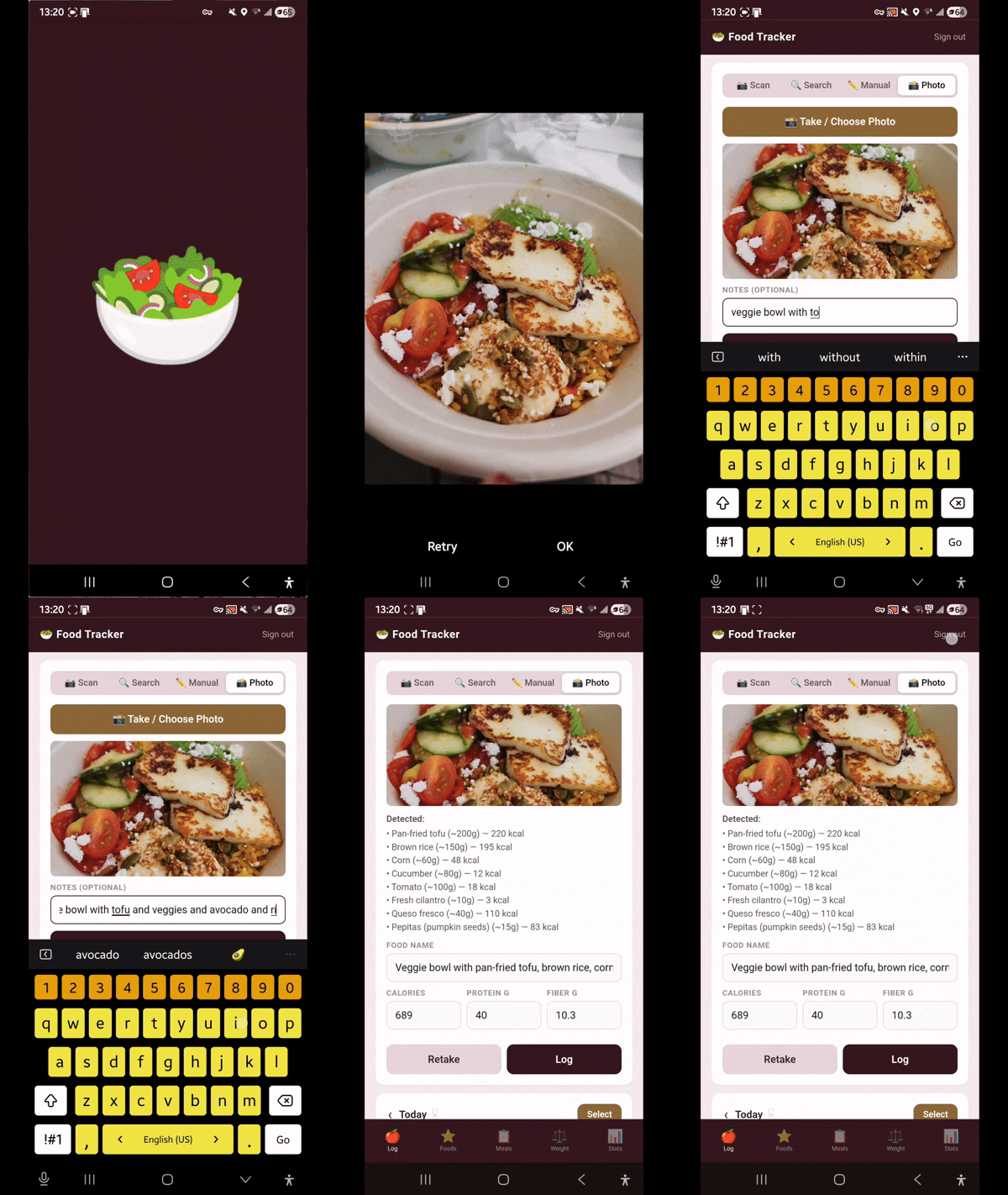
The app opens to the logging page. I can log food by either scanning its barcode, searching from the Open Food Facts database or manually entering the food. I can choose to save what I log to “My Foods” so it’s easy to find again. I added a new button that lets me take a picture of the food, add some details and Claude will estimate the rest!
I only care about calories, protein and fiber, so that’s all I see and that’s all that’s counted – both by food and by daily total.
Every entry can be easily edited and deleted (this is so annoying in other apps)
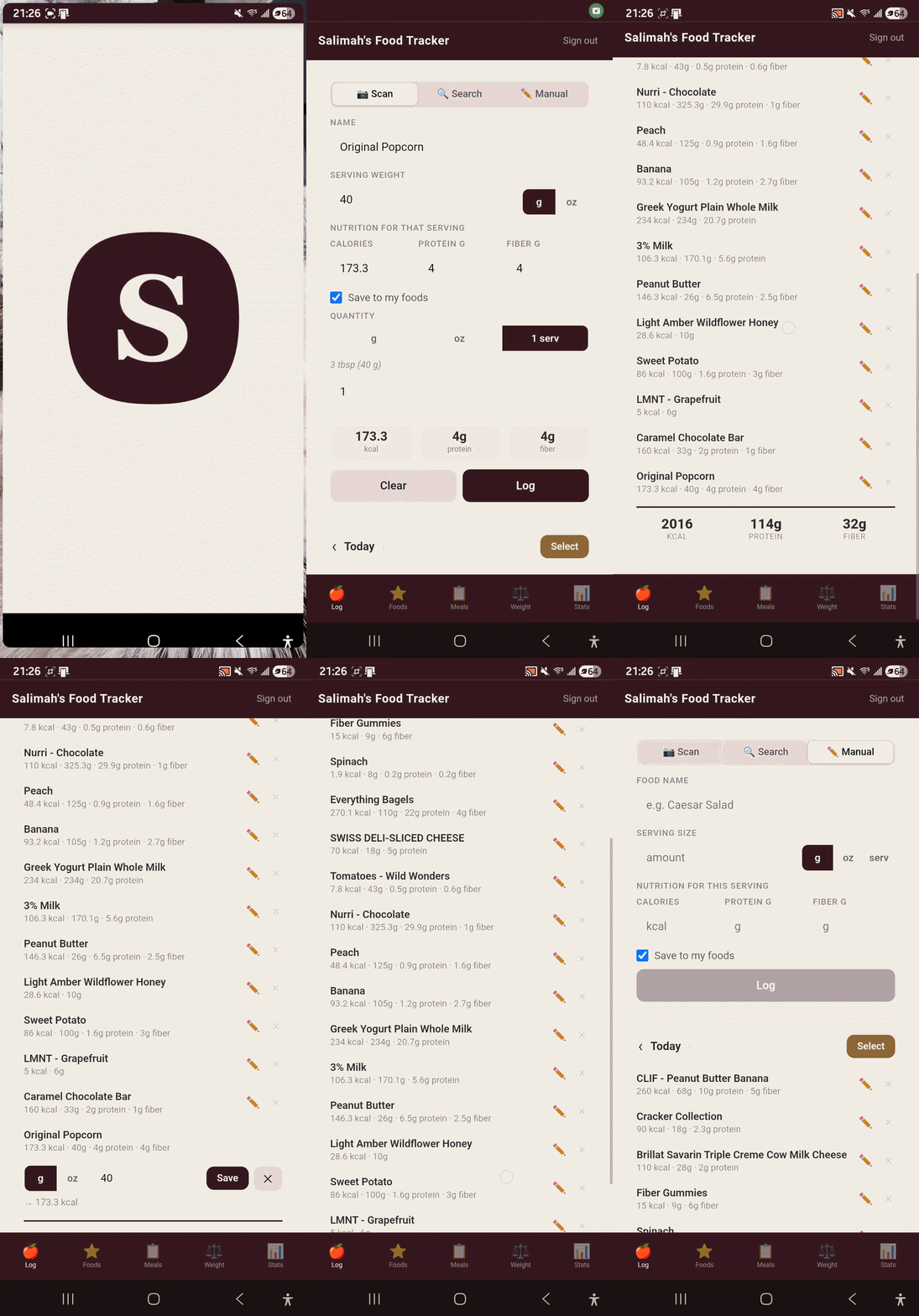
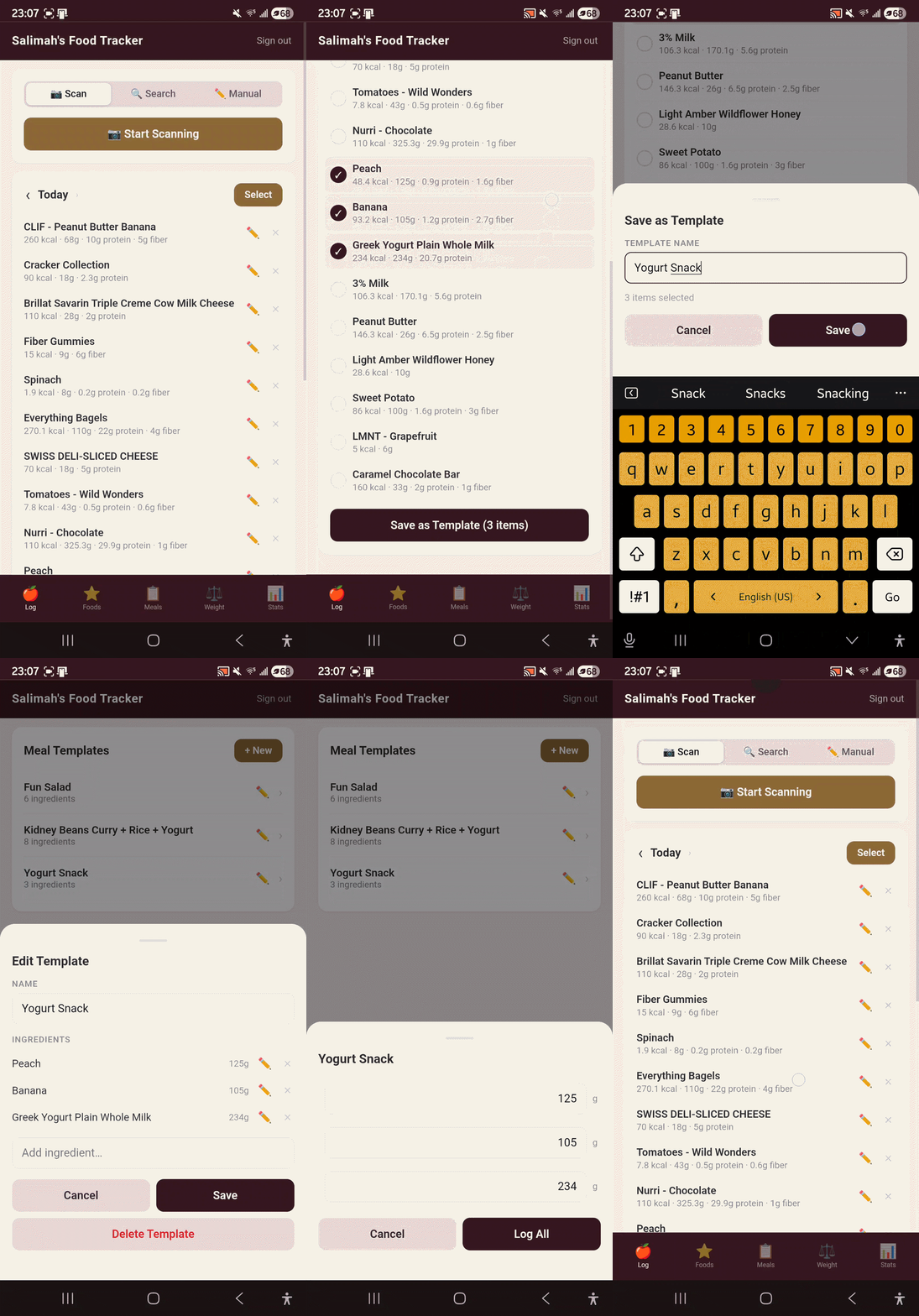
I can save groups of food as meal templates to easily log on another day (and edit the amounts and ingredients if things change).
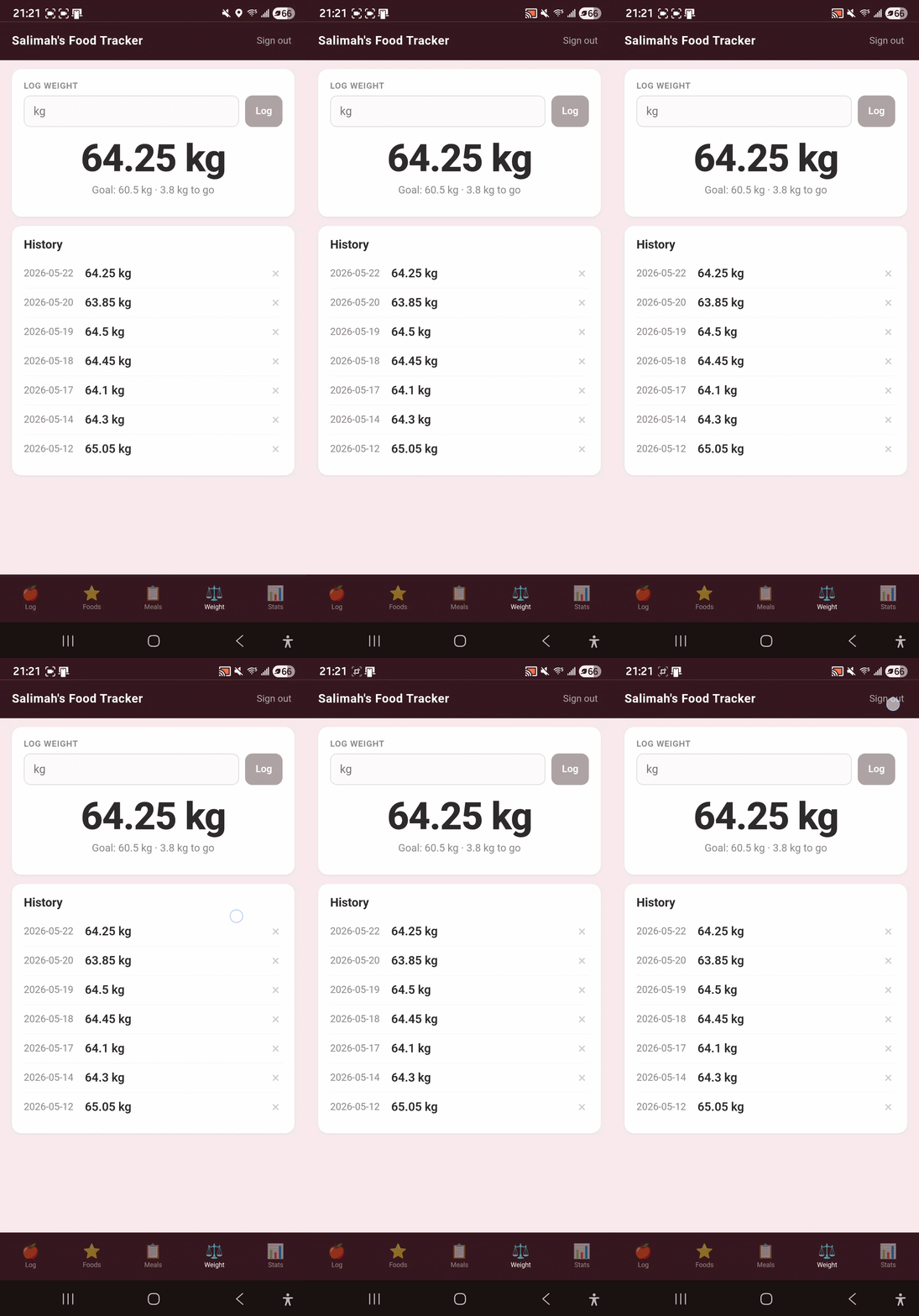
I also have a weight feature since USAW changed their weight classes and I want to get in (and stay) in the 61kg group.
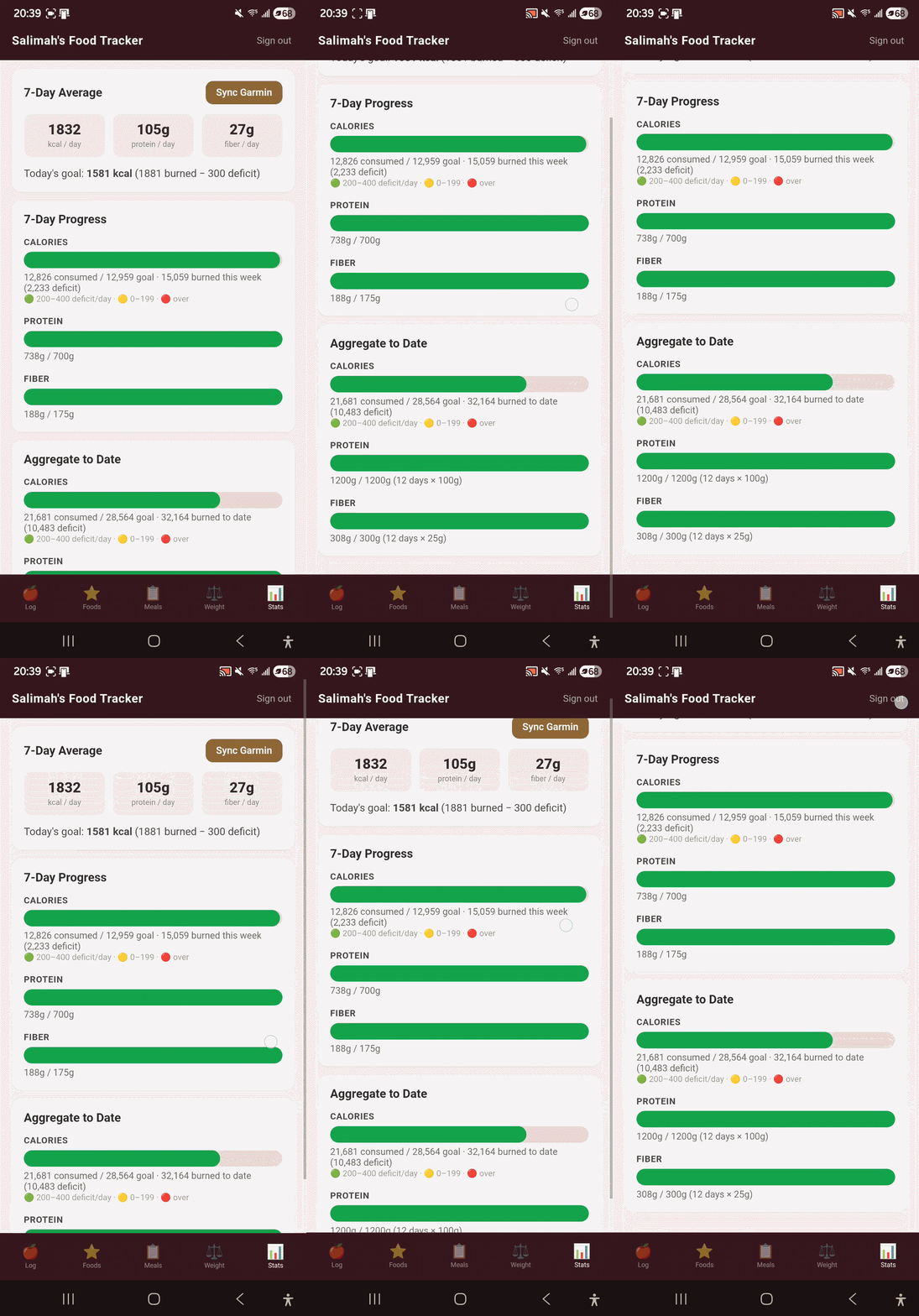
Finally, the analytics tab. I was able to connect my Garmin data (and live sync it) so I can see how many calories I am actually burning so I can adjust what I eat accordingly.
The first card is a 7-Day Average — shows average daily calories, protein, and fiber over the last 7 days, plus today's calorie goal
The second card is my 7-Day Progress — progress bars for calories, protein, and fiber against weekly targets (100g/day protein, 25g/day fiber).
The calorie bar is color-coded: green for a deficit, yellow for maintenance, red for going over my calories. I will be able to adjust this when I am no longer trying to lose weight so that green is for maintenance.
The third card is Aggregate to Date — to let me see how far I’ve come and when I may be sliding back. It is the same three progress bars but cumulative across all time.
The Future of App Development
In a world where anyone can describe what they want and have it built in an afternoon, apps that rely on reducing administrative friction are going to have to work harder to stay relevant. Especially if the UX is complex or has important features paywalled. They will likely have to rely on what can’t be vibe-coded – community, shared forums and user connections.
It wasn’t long ago that I was waxing poetic about Itemtopia in my substack newsletter as a way to inventory everything in my house. But after using it for a while, the experience feels slow, bloated and cumbersome. They are very enthusiastic to hear feedback but slow on the implementation of what I need. So I have about six months left on my subscription to build what’s right for me. Sucks to be them.
What app will you build? I’d love to hear about it.
—
Enjoyed this read? Do you want to be notified of my latest blog posts and other updates about me once a month? Subscribe to my free substack newsletter 5 on the 9.
